Mastering Pool Water: What Most Professionals Miss (Series, Part 1)

Why Ongoing Education Matters in the Swimming Pool Industry
After decades in the swimming pool industry, one thing becomes very clear. The gap between average and exceptional results almost always comes down to knowledge.
Not effort. Not intention. Knowledge.
The industry is often viewed as simple. Water, chemicals, and equipment. But anyone who has spent real time in the field knows that maintaining consistently perfect water is anything but simple. It requires a deep understanding of how multiple variables interact, and a willingness to keep learning as those variables evolve.
This post is the first in a series where we break down the key areas every serious pool professional needs to master.
The Foundation: Understanding Water Chemistry
At the core of everything is water chemistry. Without a solid understanding of the basics, everything else becomes guesswork.
Key fundamentals include:
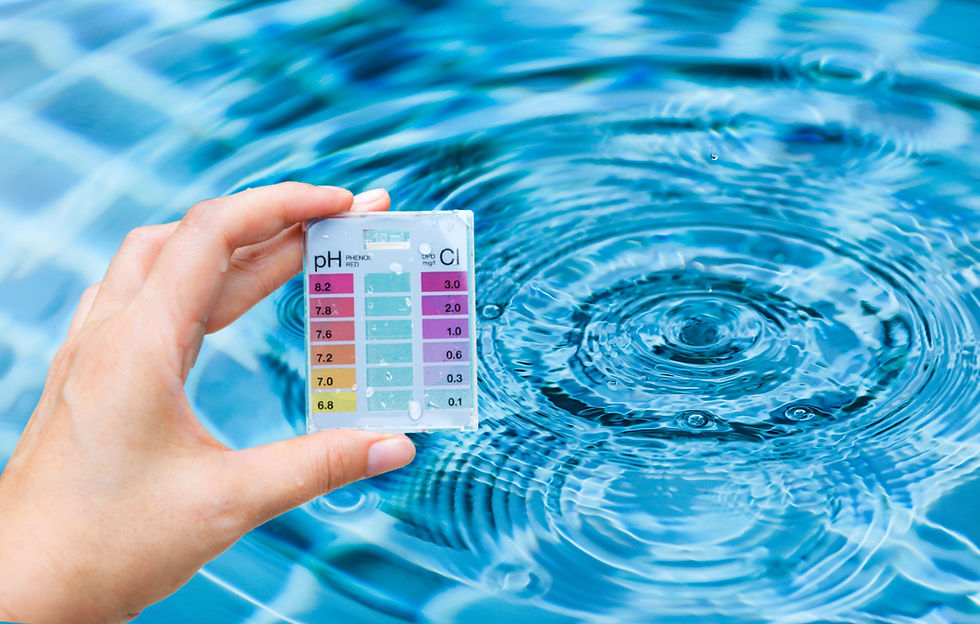
pH balance
Total alkalinity
Calcium hardness
Sanitizer levels such as chlorine or bromine
These are not just numbers on a test strip. They are interconnected variables that influence each other constantly. Adjusting one without understanding the others can create instability, lead to customer complaints, and cause long term damage to pool surfaces and equipment.
Professionals who invest time in mastering these fundamentals operate with confidence instead of constantly reacting to problems.
In an upcoming post, we will break down each of these elements in detail and show how small adjustments can have a major impact.
Going Deeper: The Role of LSI
Understanding basic chemistry is just the starting point. The next level is learning how to apply tools like the Langelier Saturation Index, or LSI.
LSI provides a more complete picture of water balance by factoring in:
pH
Temperature
Total alkalinity
Calcium hardness
Total dissolved solids
Instead of chasing individual numbers, LSI allows professionals to determine whether water is balanced, corrosive, or scale forming.
Why this matters:
Prevents etching and surface damage
Reduces scaling on heaters and salt cells
Extends equipment life
Minimizes unnecessary chemical use
LSI changes the mindset from reactive maintenance to proactive control.
We will take a deeper dive into LSI in a future post, including real world examples of how it can prevent costly mistakes.
Equipment Knowledge: Where Many Fall Short
Water chemistry does not exist on its own. The equipment on a pool directly affects chemical demand, water stability, and overall performance.
Understanding how each component impacts the water is critical.
Filtration Systems
Sand, cartridge, and DE filters all perform differently. Filtration efficiency affects how much debris stays in the water, which directly impacts how much sanitizer is required.
Sanitization Systems
Chlorine, salt systems, ozone, UV and AOP all change how water is treated. Secondary systems such as ozone, UV and AOP can reduce chlorine demand and improve overall water quality when applied correctly.
Circulation and Hydraulics
Proper flow rates determine how well chemicals are distributed and how effectively the system filters the water.
Heating Systems
Temperature plays a major role in chemical reactions and directly impacts LSI balance.
In a later post, we will break down how specific equipment choices can either simplify water care or make it more difficult than it needs to be.
The Cost of Standing Still
This industry is constantly evolving. New technologies, materials, and best practices are introduced every year.
Relying on outdated knowledge leads to problems such as:
Overuse of chemicals
Ongoing service issues
Shortened equipment lifespan
Loss of customer trust
On the other hand, professionals who stay educated build an advantage that is difficult to compete with.
The Payoff: Better Results and Stronger Business
Education does not just improve technical ability. It improves business performance.
Fewer callbacks
Lower chemical costs
Longer equipment life for customers
Stronger reputation and more referrals
Customers may not understand the details behind water chemistry or LSI, but they notice clear water, fewer problems, and consistent results.
Final Thought
The difference between an average pool professional and a great one comes down to one thing. The willingness to keep learning.
Water chemistry, LSI, and equipment knowledge are not optional. They are the foundation for delivering consistent, high quality results in today’s market.
Those who commit to ongoing education do not just keep up. They lead.
And in the posts that follow, we are going to break down exactly how to do it.